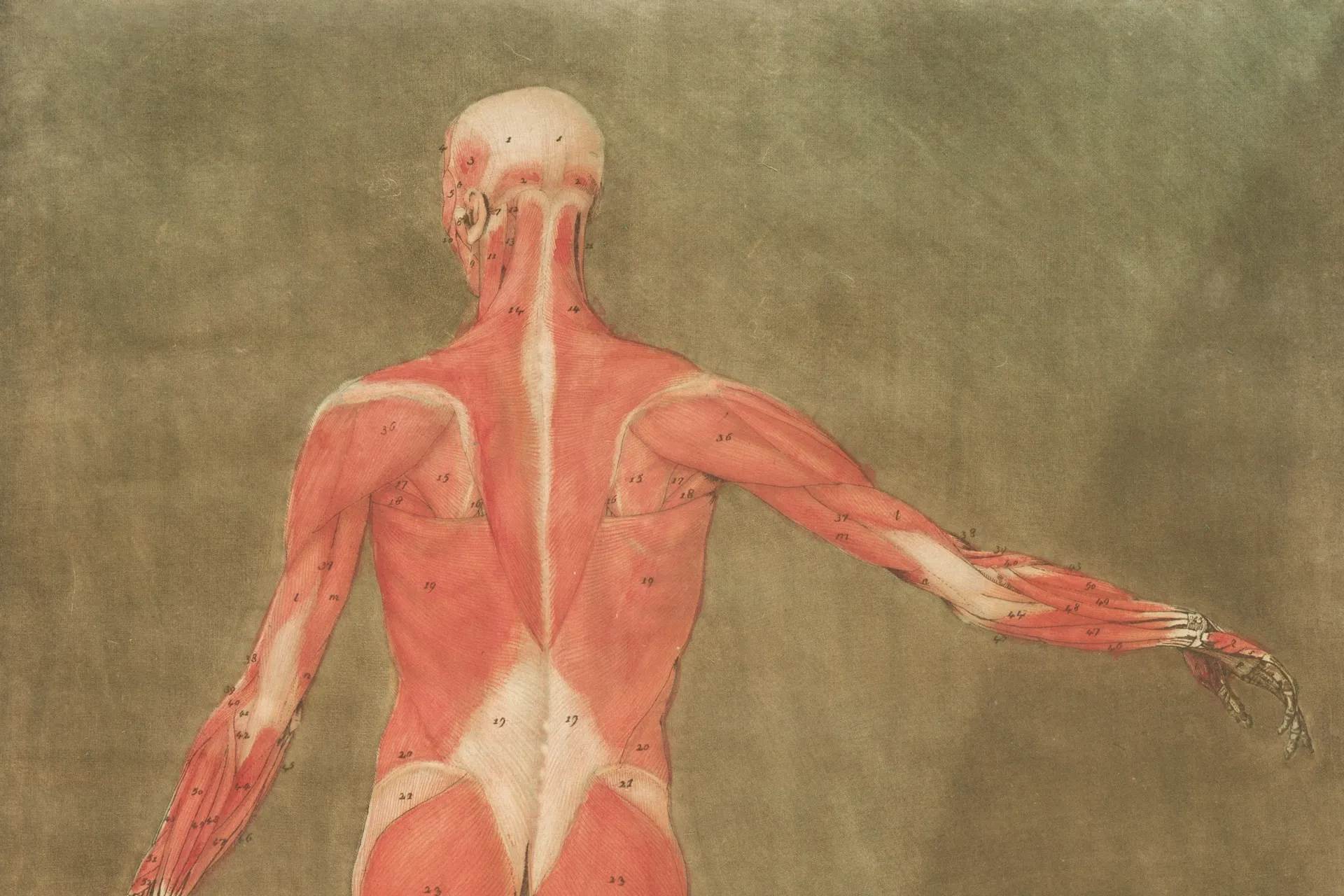
Stress is often described as a mental or emotional experience, but research and clinical observation show that chronic stress affects fascia, muscle tone, posture, and movement patterns throughout the body. These effects are physiological and measurable, not imagined.
Over time, stress-related changes in the nervous system can become embedded in the body as persistent tension, stiffness, and reduced mobility. Understanding how stress affects fascia helps explain why these patterns develop — and why body-based therapeutic approaches can be effective.
The Physiological Stress Response and Muscle Tone
When the body perceives stress, the autonomic nervous system increases sympathetic activity. This response prepares the body for action by increasing muscle tone, limiting unnecessary movement, and prioritizing efficiency.
In the short term, this response is protective. However, when stress becomes chronic, the nervous system may remain in a heightened state even at rest. Baseline muscle tone increases, breathing becomes more restricted, and postural muscles remain continuously active. Research on stress physiology shows that these patterns can persist long after the original stressor has passed.
This ongoing activation creates the conditions for long-term tension and discomfort.
Fascia as a Responsive Tissue Under Chronic Stress
Fascia is a continuous connective tissue network that surrounds and interconnects muscles, organs, nerves, and skeletal structures. It plays a key role in force transmission, proprioception, and coordinated movement.
Current research describes fascia as an active, adaptable, and richly innervated tissue. Fascia responds not only to mechanical loading, but also to hydration levels and nervous system input. When muscle tone remains elevated and movement variability decreases — common features of chronic stress — fascial layers may lose some of their ability to glide freely.
These changes are functional adaptations rather than tissue damage. The body is responding to ongoing demand by increasing stability at the expense of ease and flexibility.
Common Patterns of Stress-Related Fascial Tension
Stress-related tension tends to appear in predictable regions of the body:
- Neck and shoulders
- Jaw and facial muscles
- Chest and diaphragm
- Low back and hips
- Lower legs and feet
These areas are closely linked to posture, breathing, and protective motor patterns. Increased tone in these regions reflects the body’s attempt to maintain readiness in the presence of perceived stress.
Why Stretching Often Fails to Address Stress-Related Tension
Stretching and strengthening exercises can be valuable tools for improving range of motion and tissue capacity. However, when increased muscle tone is driven by nervous system regulation, these approaches often provide only temporary relief.
Studies on chronic pain and motor control suggest that if the nervous system continues to interpret the environment as demanding or unsafe, the body tends to return to habitual holding patterns. This explains why tension frequently reappears shortly after stretching.
Addressing stress-related fascial tension typically requires working with both tissue responsiveness and nervous system regulation.
Fascia-Focused Bodywork and Nervous System Regulation
Fascia-focused bodywork (like Craniosacral Therapy or Myofascial Release) emphasizes slow, sustained, and non-forceful contact with tissue. This approach allows time for the nervous system to process sensory input and adjust motor output.
Research on connective tissue suggests that gradual loading is more effective for influencing fascial tone than rapid or aggressive techniques. Sustained pressure can support parasympathetic nervous system activity, allowing protective muscle guarding to decrease.
Rather than mechanically “releasing” tissue, this approach aims to change how the nervous system organizes tone, posture, and movement.
Fascia, Sensory Input, and Movement Coordination
Fascia contains a high density of mechanoreceptors and nociceptors, making it an important contributor to proprioception and sensory feedback. Changes in fascial tension alter the information sent to the central nervous system.
As tissue tone becomes more adaptable, movement patterns often change automatically. Individuals may experience reduced guarding, improved coordination, and more balanced posture without consciously trying to correct their alignment.
From a clinical perspective, fascia release is best understood as a neurosensory intervention, not simply a mechanical one.
Common Outcomes of Fascia-Focused Treatment
While individual responses vary, people commonly report:
- Improved breathing efficiency
- Reduced baseline muscle tension
- Increased ease of movement
- Greater awareness of habitual tension patterns
- A general reduction in physiological arousal
These outcomes are consistent with improved nervous system regulation rather than isolated changes in muscle length or strength.
Supporting Fascia Health Between Sessions
The effects of bodywork are often enhanced by simple daily practices that support nervous system regulation:
- Slow, controlled breathing with longer exhalation
- Gentle, varied movement throughout the day
- Reducing prolonged static postures
- Increasing awareness of habitual muscle bracing
These strategies reinforce adaptability within both the fascial system and the nervous system.
How Understanding Stress and Fascia Supports Long-Term Change
Chronic stress affects fascia through well-established physiological pathways involving muscle tone, sensory input, and nervous system regulation. Fascia-focused bodywork offers a grounded, clinically informed approach to addressing these adaptations.
By supporting the body’s ability to return to a more adaptable state, individuals may experience lasting improvements in comfort, mobility, and overall function.
References
- Vlodeks Gromakovskis. Exploring fascia in myofascial pain syndrome: an integrative model of mechanisms. Journal of Clinical Medicine
- Schleip R, Findley TW, Chaitow L, Huijing PA. Fascia as a regulatory system in health and disease. Frontiers in Neurology
- Schleip R, Klingler W, Lehmann-Horn F – Active fascial contractility Fascia may be able to contract in a smooth muscle-like manner and thereby influence musculoskeletal dynamics. Medical Hypotheses
- Stecco C et al. – Fascial components of myofascial pain syndrome. Current Pain and Headaches Report
- Langevin HM, Sherman KJ – Pathophysiological model for chronic low back pain integrating connective tissue and nervous system mechanisms. Medical Hypotheses