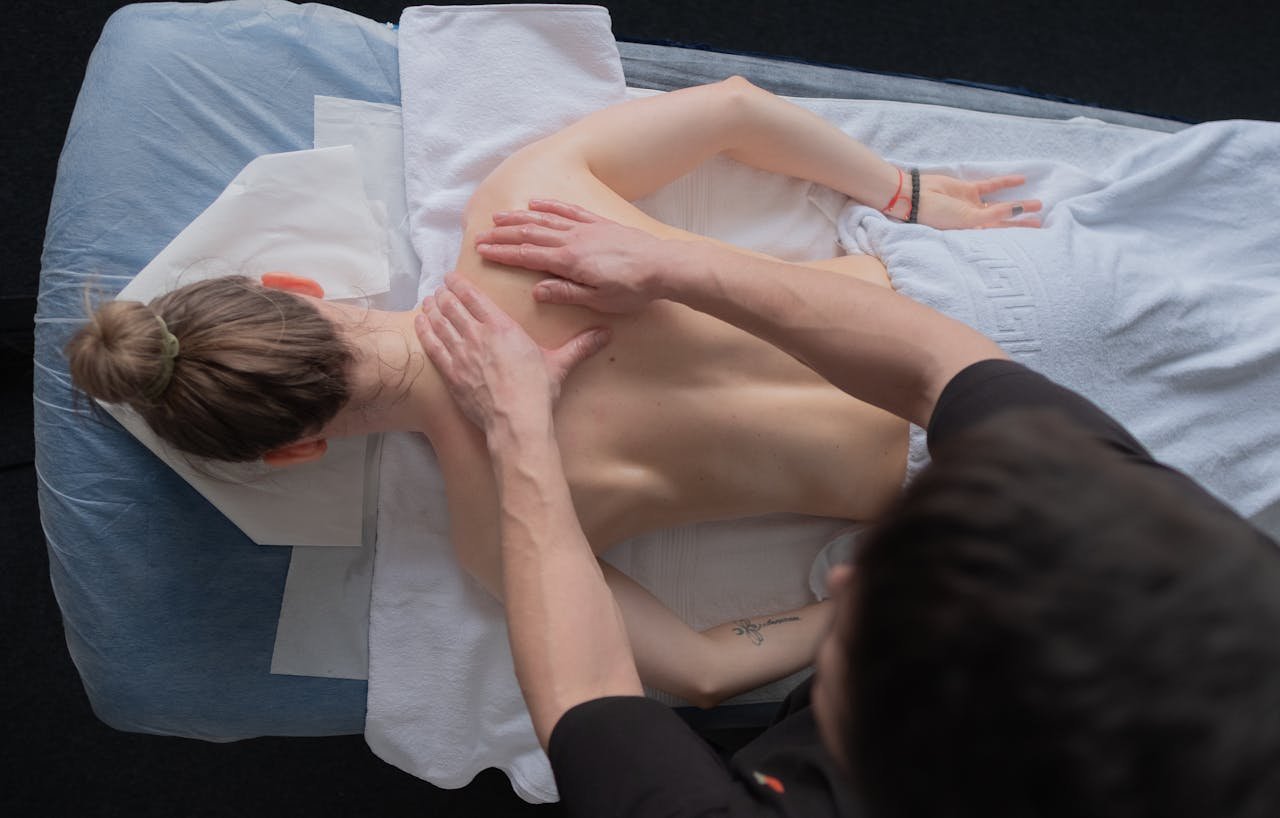
For most people, the word massage is closely associated with a relaxing and calming body experience. And indeed, a massage session can provide a deep sense of well-being and help reduce stress. But massage can also serve a more therapeutic purpose, going beyond simple relaxation.
Within the field of bodywork, there is an important distinction between relaxing massage and therapeutic massage. Although the two approaches share certain elements, they significantly differ in their goals, techniques, and results they aim to achieve.
Understanding these differences can help a person choose the approach that best meets their body’s needs at any given time and make the most of the benefits a massage session can offer.
What Is Relaxing Massage?
The primary goal of a relaxing massage is an overall relaxation of the body and the nervous system. Relaxing massage is usually performed in a gentle, rhythmic manner, with movements that cover larger areas of the body
The pressure is usually light to moderate, and the flow of the session follows a steady, almost “melodic” rhythm. This allows the body to gradually shift from a state of tension into a more parasympathetic state—the state associated with rest, recovery, and relaxation.
Some of the main benefits of relaxing massage include:
- Stress reduction
- Mood improvement
- Gentle release of muscular tension
- Better sleep
- A general sense of well-being
A relaxing massage can be an ideal option for when one feels physically or mentally tired but are not necessarily experiencing a specific musculoskeletal issue.
What Is Therapeutic Massage?
Therapeutic massage, on the other hand, takes a more targeted and functional approach. Its focus is not only on relaxation but primarily on treating or improving specific muscular dysfunctions or areas of pain.
In this type of session, the therapist is focused on identifying and releasing patterns of tension and restrictions within the body that may affect physical function, either locally or throughout the whole of the body.
Some of the benefits of therapeutic massage include:
- Reduction of muscle pain and tension
- Postural improvement
- Increased mobility and flexibility
- Local release at areas of tension or chronic musculoskeletal restrictions
- Improved blood circulation and oxygenation of tissues
- Support for recovery after exercise or muscular strain
- Reduction of overall physical fatigue
Within this framework, a therapeutic massage session may include deeper pressure on specific muscles or slower, more localized techniques designed to release tension at the points where it is more often accumulated.
It is rather common for people to assume that a therapeutic massage must be intense or even painful in order to be effective. However, this is not necessarily true. What is more important, is listening to the body’s tissues and offer the level of pressure that the body can comfortably tolerate during the session, rather than forcing a result.
Who Can Benefit from Therapeutic Massage?
Therapeutic massage can help address many common musculoskeletal conditions that people face in daily life. This may include pain or accumulated tension in the areas of neck, shoulders, and back, often resulting from long hours of sitting behind a desk or poor posture.
Massage can be very beneficial to people who exercise regularly or perform physically demanding work. Therapeutic massage can really support recovery from injuries and help reduce the buildup of muscular fatigue.
Massage therapy can also be an effective way to support recovery following serious injuries or surgical procedures. It is very common to see tissue adhesions and muscle stiffness during the healing process after injury or trauma.
In many situations, beyond simply relieving pain, therapeutic massage can contribute to an overall improvement in muscular function, allowing the body to move more comfortably and with less tension in everyday activities. Many people notice that after a few sessions they experience less pain and greater flexibility or ease of movement.
Understanding the Key Difference
If we were to summarise the key difference between the two
- Relaxing massage primarily attends to the body’s need for rest and relaxation.
- Therapeutic massage focuses more on restoring function and improving the body’s physical condition.
The main difference lies primarily in the intention and focus of the session.
Although the two aprroaches are different, in reality, both approaches share many similar benefits. An effective therapeutic massage session can be deeply relaxing for the person, and a relaxing massage can have benefit in relieving mild muscular tension and minor aches.
Kind Reminder: Treat Your Body with Care
Whenever your body shows signs of fatigue or discomfort, it is important to listen. We often ignore these signals, and it is not until they become more pronounced that we take action. The longer a symptom remains untreated, the more the body has to adapt, which can lead to a longer recovery period.
Whether you’re seeking for relaxation and stress relief, or support for persistent muscular discomfort, a massage session can be a simple yet effective way to care for your body.
Looking after your body properly will allow you to better move through daily tasks with greater ease, enjoy your activities more fully while maintaining a better sense of balance and well-being.
Considering a Massage Session?
It can sometimes be difficult to know whether your body simply needs relaxation or a more targeted therapeutic approach. Every body carries tension differently, and the best approach often depends on your daily habits, posture, and physical activity.
If you are unsure which type of massage would be most beneficial for you, discussing your needs with a qualified therapist can help determine the most appropriate treatment for your body.
If you would like to explore how therapeutic or relaxation massage could support your well-being, you are more than welcome to schedule a session or get in touch for more information.